Cape San Blas Vacation Rental Market Trends 2027: What Buyers and Investors Need to Know
If you’ve been watching the cape san blas vacation rental market trends heading into 2027, here’s the honest summary: prices are flat to slightly down, days on market have stretched out considerably, and rental metrics are softer than the peak years. For a seller, that’s not great news. For a buyer or first-time investor? That’s the setup you wait for.
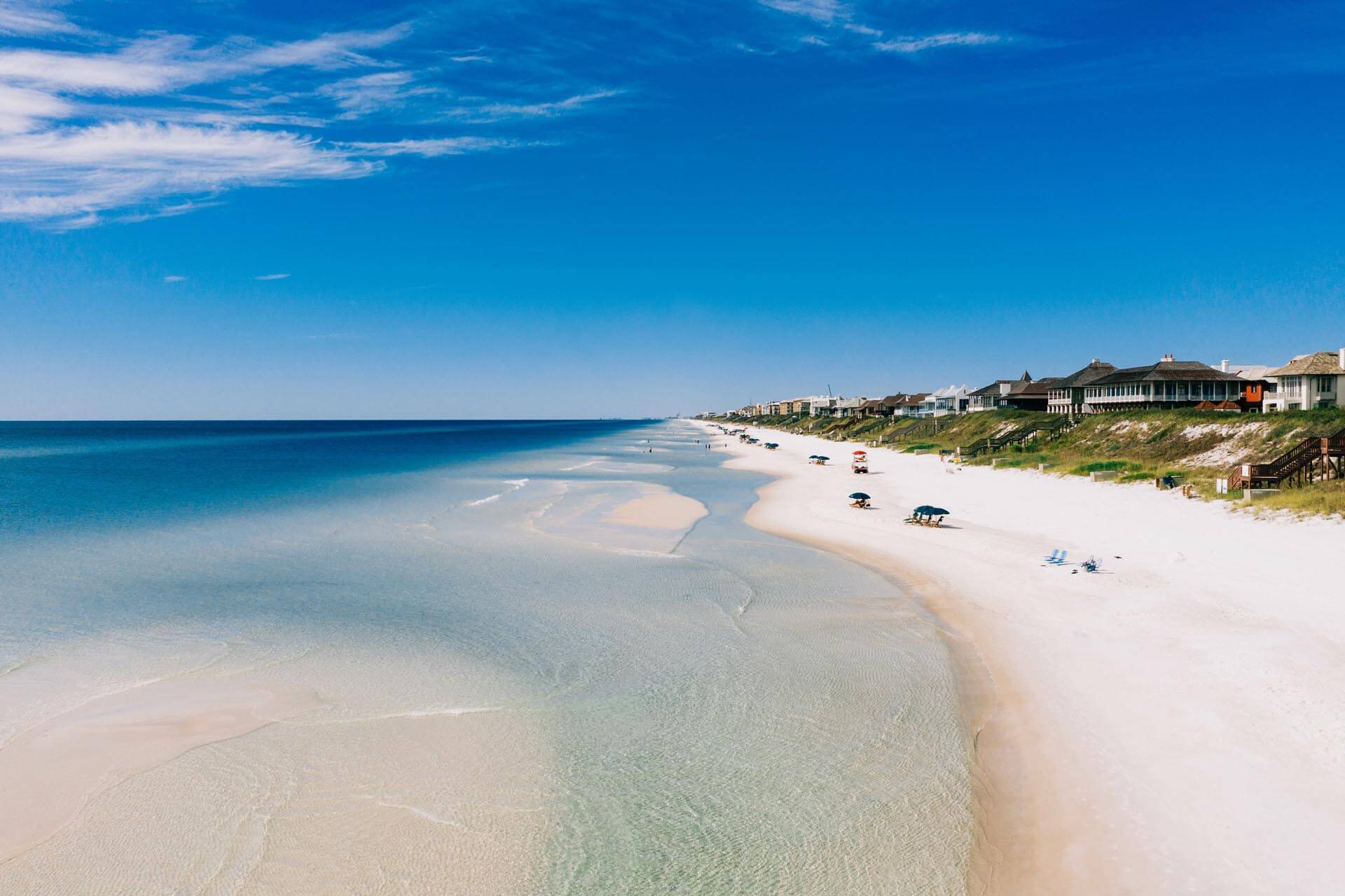
Cape San Blas is a small barrier peninsula in Gulf County, tucked along Florida’s Forgotten Coast between Mexico Beach and Apalachicola. It’s one of the least-developed stretches of coastline on the entire Gulf of Mexico — no high-rises, no chain hotels, no traffic lights. What it does have is 20+ miles of undeveloped beach, clear water, and a vacation rental market that draws visitors specifically because it feels nothing like Panama City Beach or Destin.
This post breaks down the current real estate sale data, vacation rental performance numbers from our managed portfolio and the broader market, the STR regulatory environment, and what the 2027 investment outlook actually looks like. We’re pulling from two sources: current Key Data market intelligence from Rent & Relax Vacation Rentals’ managed properties (September 2026 pull date) and third-party market research on the broader Cape San Blas competitive landscape. The goal is to help you underwrite a Cape San Blas investment realistically — not sell you on a dream.
Understanding the Cape San Blas Real Estate Market Heading Into 2027
Before you can evaluate a vacation rental investment, you need to know what you’re paying for the asset. The Cape San Blas real estate market in 2027 is a buyer’s market by most measurable standards — and that matters for the return math.
What Are Homes Actually Selling For in Cape San Blas Right Now?
Cape San Blas is not a one-price market. Entry points exist in the mid-$400Ks; gulf-front and premium product routinely trades from the low-$800Ks to over $1 million. Here’s how the numbers actually break down.
For the broader ZIP 32456 area, the median sale price for the 213 homes that closed in the 12 months ending mid-September 2026 came in at approximately $456,000 — down roughly 2.6% year over year. A separate 2026 snapshot pegs the median closer to $659,900, down about 3.7% year over year. The gap between those two figures isn’t a data error — it reflects sub-market segmentation. Smaller homes, inland lots, and entry-level product pull the ZIP-wide median down. Larger beach houses and gulf-front properties pull it up.
On the premium end, MLS data for the Cape San Blas and adjacent Indian Pass/CR-30A corridor showed an average sale price of approximately $1,034,278 and a median of approximately $821,000 for the 2025 full year. That’s the segment being driven by gulf-front homes with direct beach access and strong rental histories.
Price per square foot sits around $387, and homes are selling at approximately a 96% sale-to-list ratio — meaning buyers are routinely closing about 4% below asking price. That’s a real negotiating advantage compared to 2021 and 2022, when multiple offers and over-ask closings were common.
How Long Are Homes Sitting on the Market?
This is where it gets interesting for buyers. Days on market have stretched significantly since the post-pandemic frenzy. For the 12 months ending mid-September 2026, median days on market for closed sales came in at approximately 126 days. A narrower September 2026 snapshot — focused on a tighter slice of inventory — showed approximately 256 days to go under contract.
Buyers heading into 2027 should expect a market where well-priced properties may still take three to five months to sell, and some premium or niche listings closer to six to eight months. That’s not a market in freefall — it’s a market where sellers have already adjusted expectations and buyers have time to do proper due diligence. For an investor running cash-flow projections and getting inspections done right, that extra runway is valuable.
How Much Active Inventory Is Available?
As of September 2026, the Cape San Blas and Indian Pass/CR-30A MLS corridor showed approximately 102 homes and 126 vacant lots listed. Broader county-wide snapshots put total Gulf County residential inventory between 767 and 880 homes depending on the pull date. For the Cape-specific and South Gulf County coastal corridor, active residential inventory has been running in the 120–150 listing range.
More inventory plus longer days on market equals more options and more negotiating leverage for the 2027 buyer. That combination hasn’t existed in this market since before 2020.
Cape San Blas Vacation Rental Performance — What the Data Actually Shows
Here’s where we get into the numbers that actually determine whether a Cape San Blas vacation rental works as an investment. We’re going to walk through two sets of data: our managed portfolio figures and the broader market benchmarks from third-party research. They tell different stories, and both matter.
Our Managed Portfolio Performance (Key Data, September 2026)
According to current Key Data market intelligence pulled from our managed properties as of September 2026, here’s where our Cape San Blas portfolio stands:
- Average Daily Rate (ADR): $302.56
- Adjusted Paid Occupancy: 45.2%
- RevPAR: $106.66
- Average Booking Window: 44 days in advance
- Average Length of Stay: 5.2 nights
The ADR and occupancy figures in our managed portfolio are down year over year — ADR down 23.4% and occupancy down 9.5% compared to the prior year. For a seller, that’s a tough conversation. For a buyer entering the market now, you’re looking at a pricing environment where acquisition costs are lower, rental rate expectations are already reset, and the upside comes from owning at the right basis rather than chasing peak-year numbers that were never going to be permanent.
The 44-day average booking window tells you something useful about guest behavior — Cape San Blas travelers are not booking six months out like they might in Panama City Beach. That means your revenue picture builds closer to the stay date, which requires a property manager who knows how to work last-minute and mid-funnel demand. The 5.2-night average length of stay is solid — longer stays mean lower turnover costs and smoother operations.
What the Broader Market Is Doing (Third-Party Research)
For context outside our managed portfolio, third-party analytics data for Cape San Blas Airbnb listings shows a market-wide annual average occupancy of approximately 32–37%. Market-wide ADR on the Airbnb channel runs around $566 per night — among the highest on the Forgotten Coast.
That combination — high nightly rates, moderate annual occupancy — is the defining characteristic of Cape San Blas as an investment market. You’re not filling the calendar like you might in a higher-density market. You’re charging premium rates when guests do book, and you need to underwrite that honestly.
Seasonality: When Cape San Blas Actually Performs
Cape San Blas is a seasonal market. Here’s how the broader market data breaks down by season:
Peak season (March, June, July): Market-wide occupancy runs approximately 50.2% with an ADR around $575 per night. This is when the peninsula fills up — spring break families, early summer bookings, and the core summer vacation window.
Low season (January, November, December): Market-wide occupancy drops to approximately 22.8%, though ADR holds surprisingly well at around $513 per night. Cape San Blas attracts a guest profile that is willing to pay for the experience even in the off-season — you’re just booking far fewer nights.
The takeaway for cash-flow underwriting: don’t project peak-season occupancy across 12 months. Build your model around the realistic annual average of 32–45% occupancy depending on your property type and management approach, with strong ADR holding in the mid-$300s to mid-$500s range depending on the channel and property quality.
STR Regulations and the Development Environment in Cape San Blas
One of the first questions investors ask about any Florida coastal market right now is whether short-term rentals are still legal. For Cape San Blas, the answer heading into 2027 is yes — with an important caveat.
As of 2026, Cape San Blas remains fundamentally friendly to short-term vacation rentals, with no county-wide STR ban or moratorium in place. Gulf County has not moved to restrict short-term rentals at the broad county level the way some other Florida markets have flirted with doing. Short-term rental use continues to be treated as a core, permitted activity in most tourist-oriented areas along the peninsula.
The bigger regulatory filter for investors is HOA and subdivision covenants, not a county-wide ordinance. Some Cape San Blas subdivisions have deed restrictions that limit rental activity or set minimum stay requirements. Before you close on any property, you need to review the HOA documents and confirm the rental rules at the parcel level — not just the county level.
On the development side, MLS data going into 2026 showed approximately 126 vacant lots listed along the Cape San Blas and Indian Pass/CR-30A corridor alongside 102 resale homes. That active lot inventory signals an ongoing new-construction pipeline. Post-Hurricane Michael rebuilding, updated elevation requirements, and stricter building codes have shaped what new construction looks like on the peninsula — newer homes tend to be built higher and to more resilient standards, which matters for insurance costs and long-term durability.
The 2027 Investment Outlook: How to Think About This Market
Cape San Blas is not a market for investors chasing speculative appreciation. Prices are flat to slightly down year over year, and nobody is projecting a return to 2021 or 2022 appreciation rates in the near term. If you bought hoping to flip in 18 months, this is probably the wrong market for that strategy right now.
What Cape San Blas does offer in 2027 is a rare combination: lower acquisition basis than two years ago, strong ADR fundamentals, a legally permissive STR environment, and genuine scarcity. There are only so many gulf-front lots on a barrier peninsula that’s largely undeveloped. You cannot manufacture more of it.
The investor who wins in this market is the one who buys at today’s prices — with 4% negotiating room below ask, 3–5 months to do proper due diligence, and realistic cash-flow projections built around 35–45% annual occupancy and $300–$575 ADR depending on property type — and holds for five to ten years. That’s the play here.
At Rent & Relax, we manage 100+ vacation rentals along the Emerald Coast, including properties in Cape San Blas. We can give you real numbers on what specific property types are earning, what our management approach looks like, and how to think about positioning a new acquisition in the current market. We are not going to tell you what you want to hear — we’re going to tell you what the Key Data and our boots-on-the-ground experience actually show.
Frequently Asked Questions
What is the average ADR for a Cape San Blas vacation rental in 2026?
According to current Key Data market intelligence from our managed properties (September 2026 pull date), the average daily rate across our Cape San Blas portfolio is $302.56. Broader market data from third-party analytics shows market-wide Airbnb ADR running around $566 per night for well-positioned listings, with peak season ADR in the mid-to-upper $500s. The gap reflects differences between OTA-listed market rates and blended portfolio performance across seasons and booking channels.
Is Cape San Blas a good place to buy a vacation rental investment in 2027?
It depends on your investment thesis. If you’re looking for short-term appreciation or a high-occupancy market like Panama City Beach, Cape San Blas is probably not your best fit right now. If you’re buying at a realistic basis, planning to hold for five or more years, and can underwrite 35–45% annual occupancy with strong nightly rates, there is a solid case for Cape San Blas — especially given that acquisition prices are down and days on market have extended, giving buyers more negotiating room than this market has seen in years.
How long does it take to sell a home in Cape San Blas right now?
Based on data from the 12 months ending mid-September 2026, median days on market for closed sales was approximately 126 days. A narrower snapshot showed some properties taking closer to 256 days to go under contract. Realistically, buyers should plan for three to five months for well-priced properties and six to eight months for premium or niche listings.
Are short-term rentals legal in Cape San Blas?
Yes, as of 2026, Cape San Blas remains permissive for short-term vacation rentals at the county level. Gulf County has not enacted a broad STR ban. The more important filter is HOA and subdivision covenants — some Cape San Blas developments have deed restrictions on rental activity. Always verify rental rules at the parcel level before purchasing.
What is the typical occupancy rate for a Cape San Blas vacation rental?
Our managed properties are currently running 45.2% adjusted paid occupancy according to current Key Data market intelligence (September 2026). The broader Airbnb market across the Cape peninsula shows annual average occupancy of approximately 32–37% for most listings. Peak months (March, June, July) push occupancy toward 50%, while off-season months (January, November, December) drop to the low 20% range. Build your underwriting around the annual average, not the peak.
Ready to Invest in Cape San Blas?
If you’re serious about buying a vacation rental on Cape San Blas, start with real numbers. At Rent & Relax Vacation Rentals, we manage properties across Cape San Blas, Mexico Beach, St. George Island, Panama City Beach, and 30A. We can show you what comparable properties are actually earning, help you evaluate a specific address before you make an offer, and manage the asset from day one if you decide to move forward.
No pitch decks. No inflated projections. Just the data and our honest read on where Cape San Blas is headed into 2027.
Contact Rent & Relax Vacation Rentals today to talk through your Cape San Blas investment goals with someone who actually manages properties there.