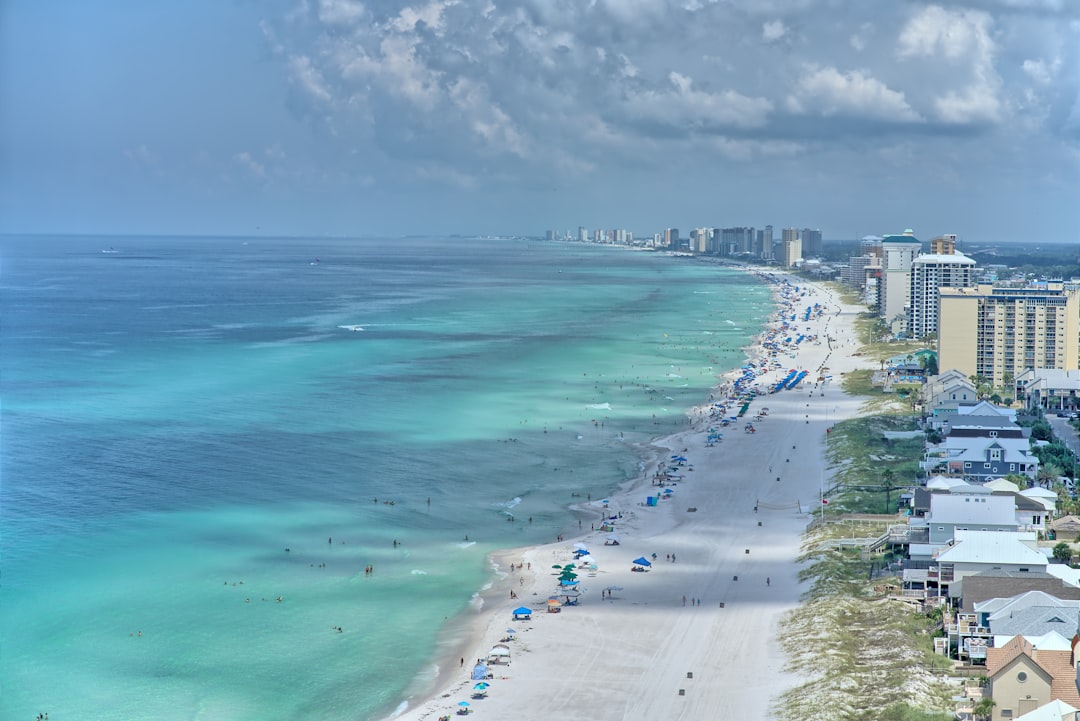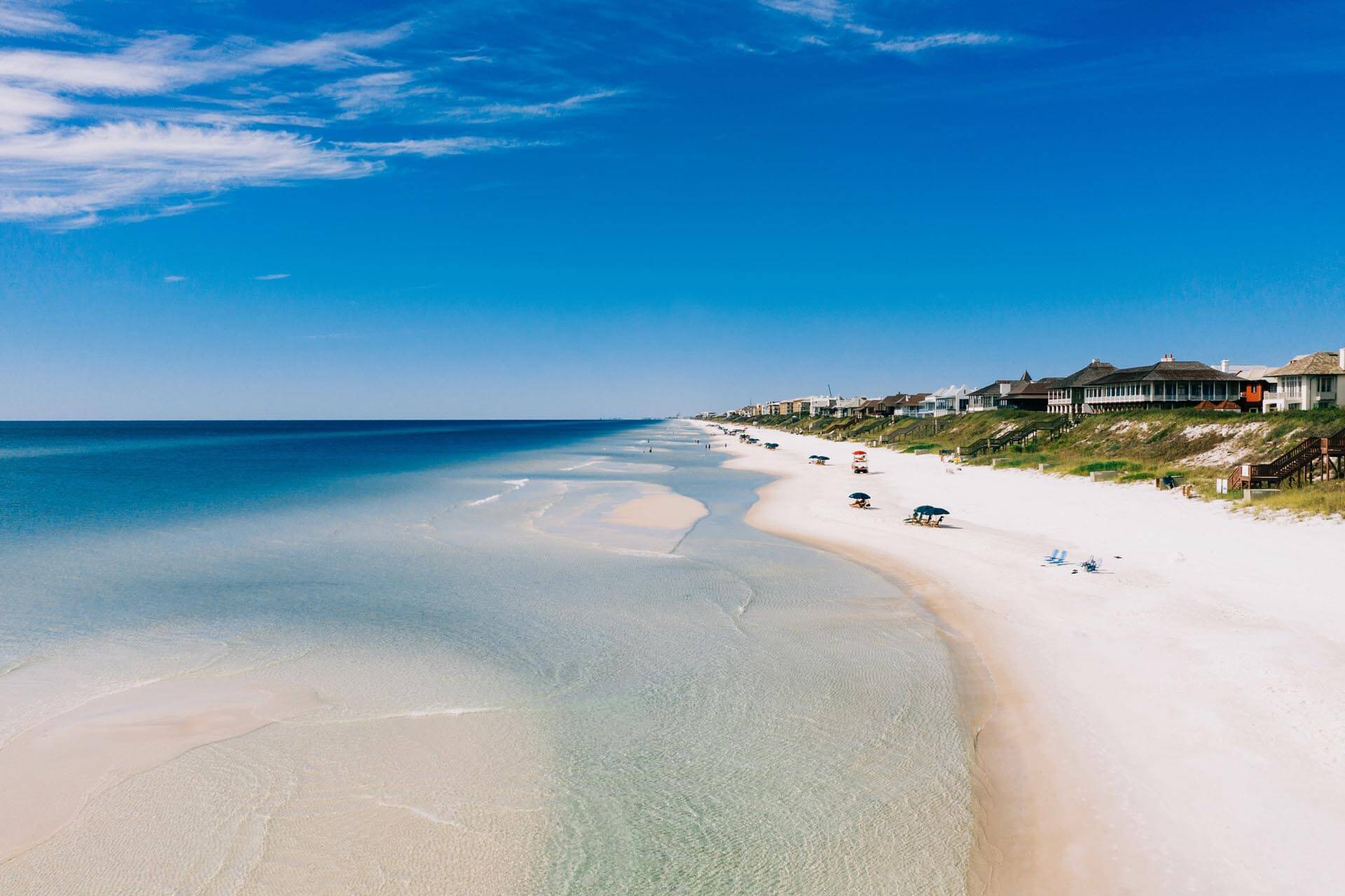
Panama City Beach Vacation Rental Investment Guide (2026)
If you’ve been watching the Panama City Beach market and waiting for the right moment to pull the trigger on a vacation rental investment, this panama city beach vacation rental investment guide is going to give you the straight numbers — no spin, no fluff. Here’s what the data actually shows: current Key Data market intelligence from our July 2026 pull shows our managed properties averaging a $338.25 ADR and 50.2% adjusted paid occupancy. Meanwhile, real estate prices have come off their 2022 peak, days on market have stretched to 106 days, and buyers are consistently closing at 4–5% below asking. That combination — steady rental demand plus lower entry prices — is exactly the kind of setup that serious investors look for. PCB still gets 320+ days of sunshine per year. It’s still one of the most accessible drive-to beach destinations in the Southeast. And the short-term rental ecosystem here is mature, proven, and still producing. This guide covers market pricing, rental performance benchmarks, zoning rules, financial modeling, and what to look for in a property. By the time you finish reading, you’ll have a clear-eyed picture of what a Panama City Beach vacation rental investment actually looks like in 2026.
Panama City Beach Real Estate Market Overview (2026)
Before we get into rental income numbers, let’s talk about what it costs to buy in. Understanding the current PCB real estate market in 2026 is step one for any investor underwriting a deal today.
Current Pricing and Inventory Conditions
The median sale price across all property types in Panama City Beach sits at approximately $383,770. Active metro inventory is around 3,015 listings with a median list price near $399,900. The sale-to-list price ratio is running at roughly 95.5% — meaning buyers are negotiating an average of 4 to 5 percent below asking and getting it.
Median days on market is approximately 106 days. That’s not a distress signal. That’s leverage. When properties are sitting longer, you have time to run your numbers carefully, get inspections done right, and negotiate from a position of strength. In 2021 and 2022, you had 48 hours to decide. Today you have weeks.
For investors, this environment means lower acquisition costs, less competition on offers, and more room to negotiate seller concessions. That directly improves your cap rate at entry — which is the whole game.
Single-Family vs. Condo Market Dynamics
Single-family home average sales prices in Panama City Beach are actually up approximately 27% year-over-year, with inventory sitting around 7 months — balanced, not oversupplied. But most vacation rental investors in PCB are buying condos, and that’s where the story gets more interesting.
Condo inventory is closer to 12 months, but absorption is improving. Buyers who sat on the sidelines through 2023 and 2024 are getting more comfortable with current rate and price conditions and starting to move. That improving absorption is an early indicator of growing investor confidence — not a sign of weakness.
Zip code 32413 (west PCB) is worth flagging specifically. Early 2026 data shows a slow but real upward pricing trend forming in that area. Investors who get in before that trend accelerates stand to benefit from both rental income and appreciation on the backend.
What This Market Shift Means for Investors
The 2023–2024 correction reset the market. Prices came off the peak. Inventory built up. And now in early 2026, the data is showing a floor forming. That’s the cycle you want to buy into — not at the top when everyone is excited, but at the reset when the fundamentals still hold and the price tags are better.
Current Key Data market intelligence (July 2026 pull) shows our managed properties averaging an ADR of $338.25, which is down 21.6% from the prior year. But here’s how to think about that: when ADR softens, fewer speculative buyers are chasing the market. Purchase price competition drops. And if you’re underwriting a deal at today’s ADR rather than 2022 peak rates, your projections are grounded in reality — which means your cap rate math actually holds when you own the property.
Panama City Beach Vacation Rental Performance Data
This is the section that matters most if you’re evaluating a panama city beach vacation rental investment guide for actual deal underwriting. Let’s go through the numbers layer by layer — starting with our own managed portfolio data, then zooming out to market-wide benchmarks.
Key Data Market Intelligence — Our Managed Portfolio (July 2026)
These figures come directly from current Key Data market intelligence, reflecting performance across our managed properties under Rent & Relax Vacation Rentals as of the July 2026 data pull:
- Average Daily Rate (ADR): $338.25
- Adjusted Paid Occupancy: 50.2%
- RevPAR (Revenue Per Available Night): $135.82
- Average Booking Window: 49 days in advance
- Average Length of Stay: 5.2 nights
Let’s talk about what those last two numbers mean operationally. A 49-day average booking window tells you guests are planning their trips well in advance and committing early. That’s revenue stability — you’re not scrambling to fill gaps two weeks out. A 5.2-night average stay is longer than the national short-term rental average, and longer stays mean lower turnover costs. Fewer cleanings per revenue dollar. Less wear and tear per dollar earned. That matters when you’re looking at annual net operating income.
The ADR of $338.25 being down 21.6% from the prior year is the reset that creates the opportunity. Investors underwriting deals at this ADR — rather than the inflated 2022 numbers — are building conservative, defensible financial models. That’s how you protect your downside.
Market-Wide Benchmarks — PCB Short-Term Rental Performance
For broader market context, here’s how competing properties across Panama City Beach are performing. These figures are market-wide benchmarks from AirDNA (June 2026) and AirROI, reflecting typical performance for non-managed and competitor-managed properties across PCB.
AirDNA market-wide data, Panama City Beach (June 2026):
- Active short-term rental listings: 19,223
- Average annual revenue per active listing: $36,700 over the trailing 12 months
- Average market occupancy: 57% of available nights
- Market-wide ADR: approximately $347/night
- Market-wide RevPAR: $197
Year-over-year trends from AirDNA (June 2025 to June 2026): revenue is down approximately 3.1%, occupancy is up 1.5%, ADR is up 2.0%, and RevPAR is up 2.4%. Active listings are down about 6.4% as some supply has exited the market or shifted to long-term rental. Fewer competing listings is a supply-side tailwind for investors entering now.
AirROI’s dataset for Panama City Beach (June 2025–May 2026) shows an average annual Airbnb revenue of $37,376 per listing, an ADR of $354/night, and a RevPAR of $152/night. AirROI uses a different methodology than AirDNA, so the occupancy figure comes in at 40.3% on their measurement — but the revenue output is consistent across both sources.
Seasonality and Vacation Rental ROI Panama City Beach
Understanding the seasonal revenue curve is critical for vacation rental ROI Panama City Beach underwriting. PCB is a summer-heavy market, and your projections need to reflect that honestly.
Peak season (May–July): Monthly revenue averages around $7,369, with peak months hitting up to $8,636. Occupancy climbs to 56–65% and ADR runs $408–$414/night. This is where the year is made.
Shoulder season (spring and fall): Monthly revenue averages around $4,204, with occupancy tracking near the annual average and ADR around $341/night. These months are manageable and increasingly important as the market matures.
Low season (November–January): Monthly revenue drops to approximately $2,458, with January being the softest month at around $1,379. Occupancy runs 25–30% and ADR is around $309/night. This is not a surprise — it’s the known cost of operating a beach rental in a seasonal market. Budget for it and you’re fine.
One more data point worth noting: approximately 41.8% of PCB listings accommodate 8 or more guests. Larger family and group units consistently outperform smaller ones in this market. If you’re evaluating a 2-bedroom condo versus a 4-bedroom condo at similar price points, the larger unit typically wins on annual revenue.
Panama City Beach Short-Term Rental Rules and Zoning
Short-term rentals are widely permitted in Panama City Beach — but the rules are not uniform, and zoning and HOA restrictions are deal-breaker items that have to be confirmed before you close, not after.
Here’s what you need to verify on any property you’re seriously considering:
- City zoning: Confirm the property is in a zoning district that permits short-term rentals. Properties closest to the Gulf in beach-adjacent zones are typically the most STR-friendly. More residential inland zones may be restricted.
- HOA rules: Some condo associations restrict or prohibit short-term rentals, limit minimum stay lengths, or require registration and licensing. Read the current bylaws — not just what a seller’s agent tells you.
- Recent HOA amendments: Condo tower HOAs can and do change their rules. An amendment passed six months ago could significantly affect income potential. Pull the meeting minutes.
- City registration requirements: Panama City Beach requires vacation rental operators to maintain proper licensing. Factor that into your startup timeline and budget.
PCB is still a pro-STR market overall. But the investors who get burned are the ones who buy first and read the HOA documents second. Treat this due diligence as non-negotiable.
Financial Modeling: What Does a PCB Vacation Rental Actually Return?
Let’s run a basic model using current market data so you can see what the numbers actually look like for a deal underwritten today.
Starting point: a $375,000–$400,000 condo in a Gulf-accessible PCB complex — right in line with the current median price range.
Using AirDNA and AirROI market-wide benchmarks, a well-run PCB listing generates approximately $36,700–$37,400 per year in gross revenue. Apply a standard operating expense ratio of 35–45% (covering HOA fees, insurance, maintenance, utilities, and property management), and you’re looking at a net operating income (NOI) in the range of $20,000–$24,000 per year.
At a $385,000 purchase price and a $22,000 NOI, that works out to a cap rate of approximately 5.7%. Higher-performing Gulf-front units with strong reviews, larger guest capacity, and professional management routinely exceed those averages — pushing cap rates into the low double digits in the best cases.
The key underwriting principle here: use current ADR figures from our July 2026 Key Data pull ($338.25), not peak-year numbers. Conservative underwriting at today’s rates builds in a margin of safety. If the market continues its gradual recovery, you benefit from upside you didn’t price in.
What to Look For in a PCB Investment Property
Not all properties perform equally. Here’s what separates the top-quartile rentals from the average ones in this market:
- Gulf proximity and views: Gulf-front and Gulf-view units command significantly higher ADR and occupancy. Every foot of distance from the water costs you in nightly rate.
- Unit size and capacity: With 41.8% of PCB listings hosting 8+ guests, larger units outperform smaller ones on annual revenue. A 3-bedroom or 4-bedroom unit with the right layout beats a 1-bedroom studio on virtually every metric that matters for STR income.
- Complex amenities: Pool, beach access, parking, and updated common areas drive booking conversion. Guests shopping on Airbnb or VRBO make decisions based on photos of amenities first.
- STR-friendly HOA: This cannot be overstated. The best-located unit in the wrong building is a liability, not an asset.
- Professional management: The difference between a professionally managed property and a self-managed one shows up directly in occupancy rates and annual revenue. It’s not a small gap.
Frequently Asked Questions
Is Panama City Beach a good place to invest in vacation rentals in 2026?
Yes — and the current market conditions make it one of the better entry points in recent years. Purchase prices have come off their 2022 peak, days on market have extended to about 106 days giving buyers real negotiating leverage, and short-term rental demand remains steady. Current Key Data market intelligence (July 2026) shows our managed properties holding 50.2% adjusted paid occupancy with a $338.25 ADR. The fundamentals — 320+ days of sunshine, strong Southeast drive-to demand, and a mature STR ecosystem — haven’t changed.
What kind of annual revenue can I expect from a Panama City Beach vacation rental?
Market-wide benchmarks from AirDNA (June 2026) show the average active PCB listing generating approximately $36,700 in gross annual revenue. AirROI puts the figure at $37,376 for Airbnb-style listings. Top-performing Gulf-front units with larger capacity and professional management significantly exceed those averages. Expect the bulk of your annual revenue to come from May through July, with shoulder months contributing meaningfully and November through January being your softest period.
Are short-term rentals legal in Panama City Beach?
Short-term rentals are widely permitted in Panama City Beach, but the rules vary by zoning district, building, and HOA. Some condo associations restrict or ban STRs, and rules can change through HOA amendments. Before closing on any property intended for short-term rental use, verify current city zoning, the building’s HOA bylaws, any recent amendments to those bylaws, and the city’s licensing requirements. This is non-negotiable due diligence — not a formality.
What cap rate should I expect on a Panama City Beach vacation rental?
Based on current market data, a well-located PCB condo purchased in the $375,000–$400,000 range and generating market-average gross revenue of approximately $36,700–$37,400 per year would produce an NOI of roughly $20,000–$24,000 after operating expenses — putting the cap rate in the 5.5–6.0% range at today’s prices. Higher-performing Gulf-front or larger-capacity units can push that number meaningfully higher. The key is underwriting at current ADR levels rather than 2022 peak figures.
What zip code in Panama City Beach is best for vacation rental investment?
Zip code 32413 covering the west end of Panama City Beach is showing early signs of an upward pricing trend in 2026 and is worth close attention. Gulf-adjacent properties in beach-zoned areas across PCB generally outperform inland locations on both ADR and occupancy. West PCB in particular benefits from proximity to newer resort development and entertainment infrastructure that keeps it competitive with Destin and 30A for drive-to visitors from the Southeast.
Ready to Invest in Panama City Beach?
If you’ve made it through this panama city beach vacation rental investment guide and you’re ready to take the next step, we’d like to talk. Rent & Relax Vacation Rentals manages 100+ properties along Florida’s Emerald Coast, and we work with investors at every stage — from pre-purchase underwriting conversations to full-service property management after closing. We know which buildings perform, which HOAs are investor-friendly, and what separates a top-quartile rental from an average one in this market. Reach out to our team today and let’s run the numbers on a property you’re evaluating — or help you identify the right one to target.