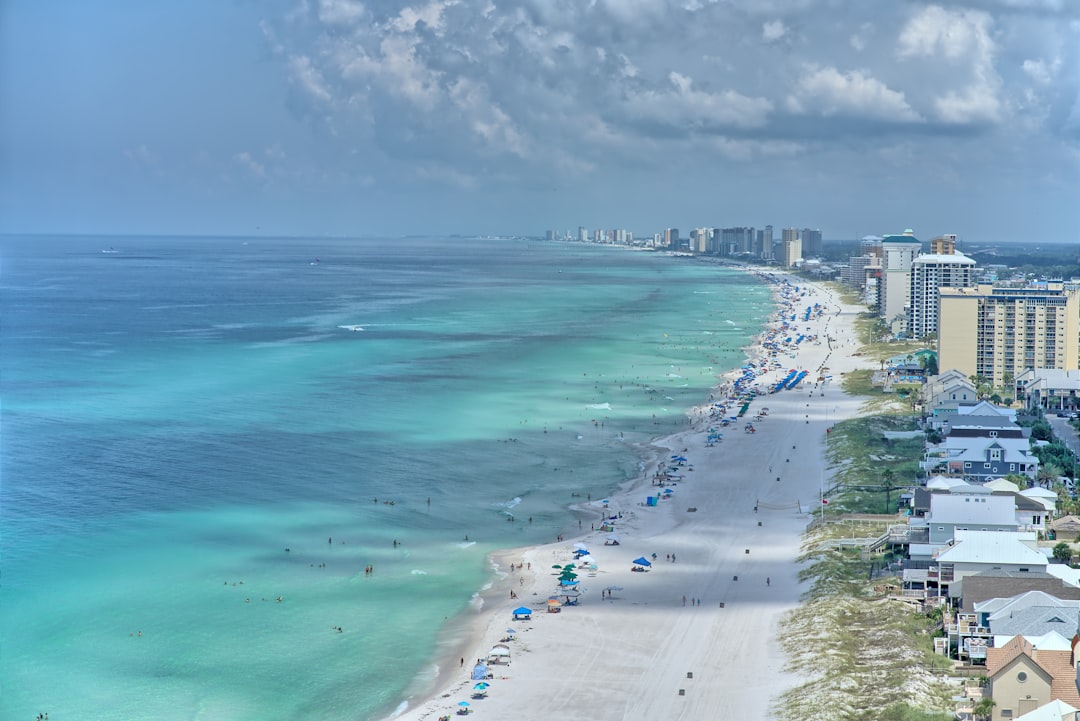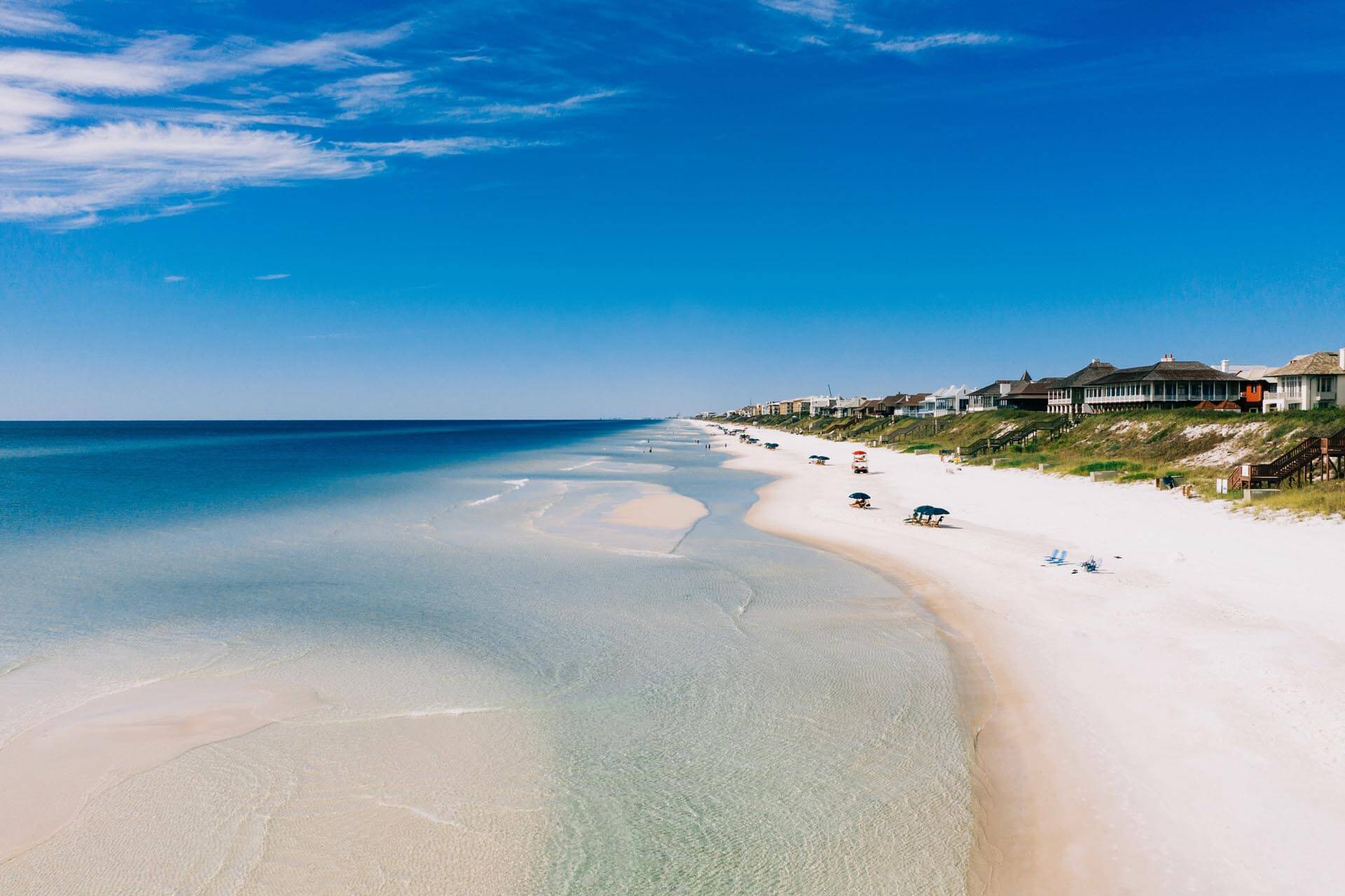
Panama City Beach Investment Property Buyer Guide: What You Need to Know in 2026
If you’ve been watching the Panama City Beach investment property market and waiting for the right moment to move, 2026 is worth your attention. Median sale prices are running in the $360,000–$390,000 range, down roughly 7.7% year-over-year per Redfin. Homes are sitting on the market for 97 to 149 days depending on the segment. Inventory is wide open, with estimates ranging from 1,885 to 2,500+ active listings across major platforms. That combination — lower prices, longer days on market, and genuine selection — gives prepared buyers something they rarely get in a Gulf Coast beach market: real negotiating leverage.
This guide covers the current Panama City Beach real estate market conditions, how to evaluate a PCB investment property the right way, what the rental income numbers actually look like right now, the cost factors that determine whether a deal works, and what questions to ask before you make an offer. Let’s get into it.
Understanding the Panama City Beach Real Estate Market Right Now
Current Pricing Trends — and Why They Favor Buyers
The headline number is this: Panama City Beach median sale prices have dropped approximately 7.7% year-over-year per Redfin, with Zillow’s home value index showing a similar 6.2% YoY decline. Depending on which data cut you’re looking at, median prices land somewhere between $360,000 and $390,000. A March 2026 local market report pegged it closer to $383,770.
For the investor, that price softness is not a warning sign — it’s a math problem that works in your favor. Lower acquisition cost compresses the denominator in your yield calculation. A property that cash-flowed at the margins at $450K may pencil at $380K. That’s where today’s opportunity actually lives.
On the condo side specifically, July 2026 data shows an average condo sales price of approximately $411,000 with a 95.0% sales-to-list ratio. That tells you the investor condo market in Panama City Beach is still actively transacting — buyers and sellers are meeting close to ask price, which means there’s real demand underneath the softness. This is not a frozen market. It’s a rebalanced one.
Days on Market and Inventory — What the Negotiating Landscape Looks Like
Redfin reports an average of 97 days on market. Zillow shows homes going to pending in around 95 days. Some local market reports stretch that to 101 to 149 days depending on property type and the month. Any way you slice it, sellers have been waiting a while.
That’s good news for buyers. When a seller has had a listing sitting for three to four months, the conversation about price and terms changes. You’re not competing in a multiple-offer sprint. You have time to run your numbers, get actual insurance quotes, pull HOA financials, and make a calculated offer.
Transaction volume tells the other side of the story: 324 homes sold in June 2026 per Redfin, up from 252 a year earlier. Another local snapshot shows approximately 330 homes sold in the most recently tracked month. Demand hasn’t collapsed — it’s just shifted toward buyers. That’s a very different market dynamic than a distressed or illiquid environment.
What Kind of Buyer Is This Market Built For Right Now?
Be straight with yourself about what the numbers are saying. Near-term appreciation in Panama City Beach looks flat to modestly negative across most public price measures. The investment thesis here in 2026 is income-first, not flip-and-exit.
The buyer who does well in this market is patient, financially prepared, and underwriting primarily for cash flow. They’re not counting on a 15% pop in the next two years to make the deal work. They’re buying a well-located unit at a fair price, putting the right management behind it, and building a cash-flowing asset. If appreciation comes on top of that, great. But it’s not the foundation of the deal.
If that profile fits how you think, keep reading. The rental income numbers are what you need next.
How to Evaluate a Panama City Beach Investment Property
Location Variables That Drive Rental Performance
In Panama City Beach, location is not just a neighborhood conversation — it’s a tiered system that directly affects what you can charge and how often the unit books.
Beach access tier is the single biggest variable. Direct beachfront units command a meaningful premium in ADR over units that are across the road, which in turn outperform units that only have beach access via a walkover. Guests booking Panama City Beach vacations are there for the Gulf, and they’ll pay for proximity.
Complex amenity profile is next. Pool quality, gulf views, elevator access, covered parking, pet-friendly policies, and on-site management presence all influence how your unit competes in the booking funnel. In a market with this much inventory, a guest has options. The complexes with updated amenities and strong review histories win the repeat guest and early-booking business.
Proximity to demand drivers — Pier Park, the dining and entertainment corridor on Front Beach Road, St. Andrews State Park access, and family-friendly infrastructure — all support bookings outside the pure June-and-July peak. That shoulder-season demand is what separates a 47% annual occupancy unit from a 60%+ performer.
Property Types and Their Investment Trade-Offs
Beachfront condos are the classic PCB investor vehicle. Highest gross revenue potential, but also the highest HOA and insurance load, and the most financing complexity. You need to underwrite the full cost stack carefully here — the gross number can look great and the net can disappoint.
Gulf-view condos set back from the beach carry a lower acquisition cost and often a lower HOA. The ADR ceiling is lower, but the net yield can actually be stronger for the right buyer — especially if you’re buying into a complex with lower carrying costs and solid occupancy history.
Single-family beach homes offer the highest absolute revenue ceiling, full control over rental rules, and no HOA vote risk. The trade-off is higher carrying cost, more complex management, and a larger down payment to get in the door.
Non-beachfront vacation homes can produce the highest cap-rate percentages when purchased at the right discount, but demand is more compressed — both seasonally and on ADR. These can work, but the underwriting margin for error is thin.
For every property type, underwrite conservatively on both ADR and occupancy. The next section gives you the benchmark numbers to work from.
The Condo Underwriting Checklist — Five Questions to Ask Before You Make an Offer
Before you write a check, get answers to these five questions:
1. Is the complex warrantable for conventional or DSCR financing? Owner-occupancy ratios, reserve fund requirements, and insurance compliance all affect whether a lender will touch the project. Find this out before you fall in love with a unit.
2. What is the HOA fee, and what does it actually cover? In Panama City Beach coastal condos, HOA fees are a major line item. A unit with a $1,200/month HOA fee is a fundamentally different underwriting exercise than one at $600/month. Get the number and the breakdown.
3. What are the current insurance costs, and is the master policy adequate for Florida wind and flood exposure? Insurance is one of the largest and most variable underwriting inputs for any coastal PCB property. Don’t use an estimate. Get actual quotes from an independent agent before you close.
4. What are the short-term rental rules in the HOA docs, and have they changed recently? Some PCB complexes have tightened STR restrictions in recent years. Verify that the HOA documents explicitly permit short-term rentals and check for any pending votes or amendments that could change the rules after you close.
5. What is the complex’s actual rental history and occupancy mix? Ask for verified rental data from a property management company or pull it from a credible STR data source. What a seller tells you and what the historical booking data shows are sometimes two different conversations.
What the Rental Income Numbers Actually Look Like in Panama City Beach
Here’s where we put real numbers on the table.
According to current Key Data market intelligence — pulled from our managed properties in August 2026 — the Panama City Beach portfolio is producing an Average Daily Rate of $306.73, an Adjusted Paid Occupancy of 47.4%, and a RevPAR of $115.00. Average booking window is running 43 days out, and the average length of stay is 5.2 nights.
ADR is down 25.1% from prior year and occupancy is down 3.4% from prior year per that same Key Data pull — and that’s exactly why acquisition prices have softened alongside rental revenue. You’re buying at the same moment in the cycle that rental rates have compressed. That’s the entry point. A buyer who underwrites today’s income numbers against today’s acquisition price — rather than last year’s ADR against current ask prices — is doing the math the right way.
Working through a quick pencil on a median-priced condo: a $380,000 acquisition at today’s rates with $115 RevPAR, net of HOA, insurance, management fees, and utilities, lands a well-positioned unit in a mid-single-digit cap-rate range — somewhere in the 4% to 7% neighborhood, with the spread determined by how hard the HOA and insurance lines hit you. Higher-carrying-cost beachfront luxury units compress toward the lower end. Lower-HOA, well-located condos purchased at a discount have a real shot at the upper end or better.
The average booking window of 43 days is useful for operations planning. It means Panama City Beach guests are not booking six months out — they’re booking roughly six weeks out. Your pricing strategy needs to stay responsive through peak season rather than locking in rates early and leaving money on the table.
Hidden Costs That Determine Whether a PCB Investment Deal Actually Works
The purchase price is just the starting line. Here’s where deals that look good on paper get eroded:
HOA and condo association fees in Panama City Beach coastal condos can range dramatically. This is not a number to estimate — get the actual current fee plus any scheduled or recent special assessments before you make an offer.
Florida wind and flood insurance is a real number and it moves. The Florida insurance market has been through significant repricing over the last several years, and coastal Panhandle properties carry meaningful wind exposure. Budget for this as a major annual line item and get independent quotes early in the due diligence process — not after you’re under contract.
Property management fees in a competitive PCB STR market typically run in the 20% to 30% of gross revenue range, depending on the management company and service level. That’s a real cost of doing business in this market.
Furnishings and unit readiness matter more than most buyers budget for. A well-furnished, well-photographed unit with quality linens and modern amenities books at meaningfully higher rates than a dated one. Budget a realistic refresh cost into your acquisition analysis, especially if you’re buying a unit that’s been through years of rental wear.
Financing complexity on condos can add cost in the form of higher rates, larger down-payment requirements, or the need to use a DSCR loan rather than conventional financing. Talk to a lender who does PCB investment condo loans specifically before you make offers.
Frequently Asked Questions
Is Panama City Beach a good place to buy an investment property in 2026?
For buyers focused on cash flow and willing to underwrite conservatively, 2026 presents a genuinely favorable entry window. Median prices are down 6%–8% year-over-year, days on market have stretched to 97–149 days depending on the segment, and inventory is wide open. You’re buying at a moment when both acquisition prices and rental rates have come off their peaks — which is actually where income-first investors want to be. The mid-single-digit cap-rate environment for well-positioned units is modest but real, and a well-bought property in a strong-amenity complex has room to perform as the rental market stabilizes.
What rental income can I realistically expect from a Panama City Beach vacation rental?
Based on current Key Data market intelligence from our managed properties as of August 2026, the Panama City Beach market is running a $306.73 ADR, 47.4% adjusted paid occupancy, and $115.00 RevPAR. Those are the numbers to underwrite from — not peak-year figures. The actual income a specific unit produces will depend heavily on beach access tier, complex amenity quality, unit size, how the property is priced and managed, and whether you’re capturing shoulder-season demand effectively.
What are the biggest risks of buying a vacation rental condo in Panama City Beach?
The three biggest underwriting risks are insurance cost volatility, HOA fee load, and financing complexity. Florida wind and flood insurance pricing on coastal Panhandle properties is significant and can change. HOA fees in amenity-heavy beachfront condos can run high enough to materially compress net yield. And not all PCB condo projects are warrantable for conventional financing — if the project doesn’t qualify, you may be limited to DSCR or portfolio lending, which typically means higher rates and larger down payments. Run these numbers with actual quotes, not estimates.
What kind of cap rate should I underwrite for a Panama City Beach investment condo?
Based on current pricing softness and the rental performance data we’re tracking, a practical planning range for most PCB investment condos is roughly 4%–7% cap rate. Higher-HOA beachfront luxury units tend to compress toward the lower end of that range. Lower-HOA, beach-access condos purchased at a meaningful discount have the best shot at the upper end or better. The exact number depends on occupancy, ADR, HOA load, insurance, and financing structure — which is why you need to build a full proforma before committing, not a back-of-napkin estimate.
How do I find out if a condo complex allows short-term rentals in Panama City Beach?
Pull the HOA documents — specifically the declaration of condominium and any current rules and regulations — and review them for language governing rental periods and restrictions. Don’t rely on what the listing agent or current owner tells you. Some PCB complexes have amended their rental rules in recent years, and you need to see the current governing documents. Your real estate attorney should review these as part of standard due diligence before you close.
Ready to Invest in Panama City Beach?
At Rent & Relax Vacation Rentals, we manage 100+ properties along Florida’s Emerald Coast, and Panama City Beach is a market we know unit by unit. If you’re evaluating a purchase and want to know what a specific complex or property type actually produces in rental income — not what someone’s trying to sell you — talk to us before you make an offer.
We can walk you through real performance data from our managed portfolio, help you evaluate whether a prospective unit fits your income goals, and connect you with lenders and local real estate professionals who know how to close PCB investment deals. No corporate pitch, no fluff — just the numbers you need to make a smart decision.
Contact Rent & Relax Vacation Rentals today and let’s look at what the Panama City Beach market can actually do for you in 2026.